

Every child grows and learns in their own unique way. From the first steps and words to developing confidence, creativity, and independence, childhood is a period filled with important milestones. Parents and caregivers play a major role in creating an environment where children feel supported, encouraged, and motivated to explore the world around them. Supporting child development is not only about education but also about emotional connection, healthy habits, and providing opportunities for growth.
Create a Safe and Loving Environment
One of the most important foundations of child development is a safe and supportive home environment. Children learn best when they feel secure and valued. Showing affection, listening to their thoughts, and responding with patience helps build trust and emotional confidence.
Simple daily moments, such as reading together before bedtime, sharing conversations during meals, or celebrating small achievements, can have a lasting impact. When children know they are loved and accepted, they are more likely to explore, try new things, and develop resilience when facing challenges.
Encourage Curiosity and Learning Through Play
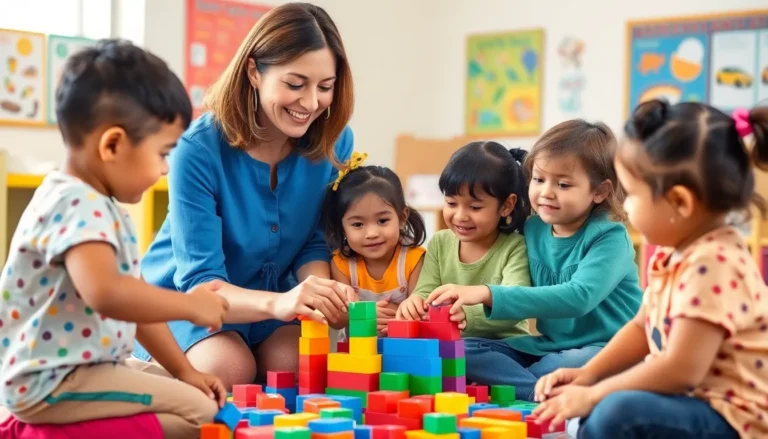
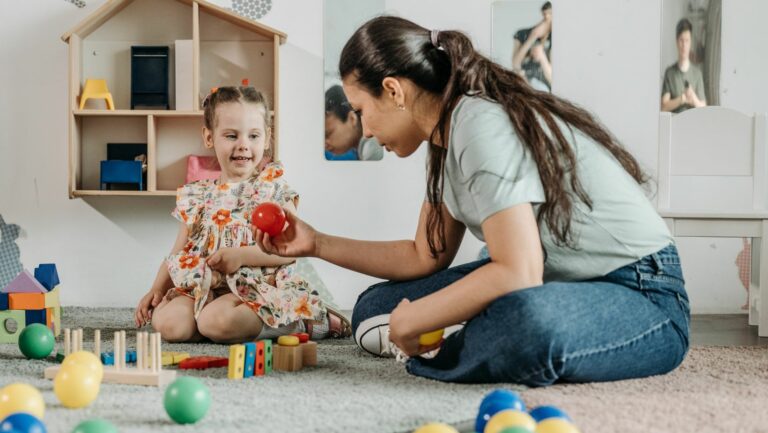
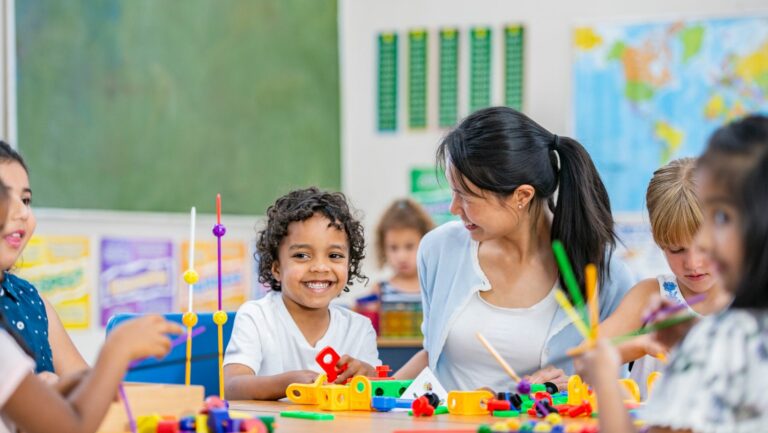
Play is one of the most powerful ways children learn. Through games, imagination, and exploration, children develop problem-solving skills, creativity, communication abilities, and social understanding.
Parents can support this process by providing toys, activities, and experiences that encourage curiosity. Building blocks, puzzles, drawing, pretend play, and interactive games allow children to experiment and learn while having fun. Even simple activities like cooking together can become valuable learning experiences, helping children understand measurements, cultures, and teamwork.
For families looking for ways to combine learning with fun, activities that introduce children to new skills can create meaningful bonding experiences. For example, cooking kits designed for children, such as those from Eat2explore, can help children discover different cuisines while developing confidence in the kitchen.
Support Language and Communication Skills
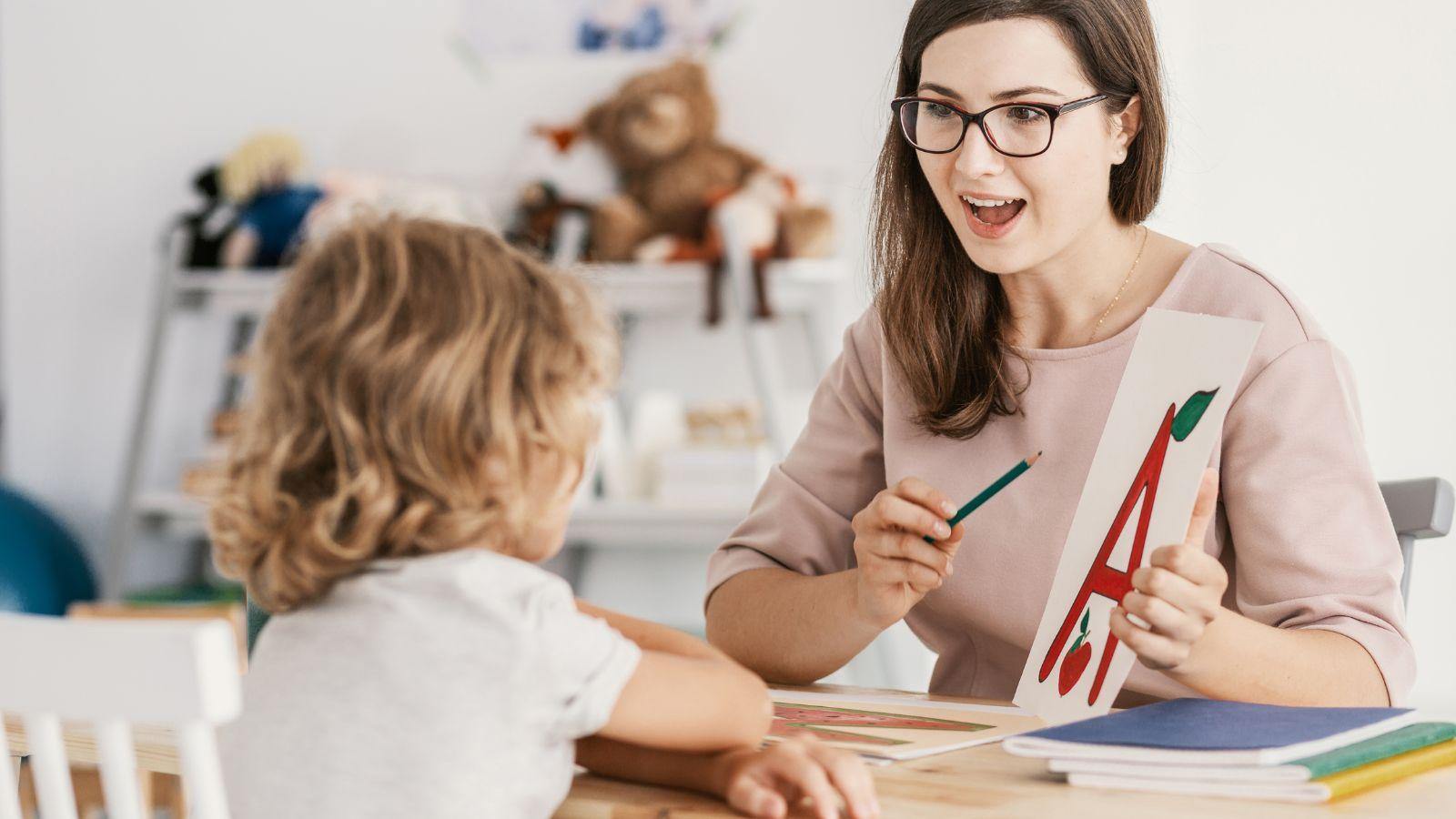
Communication skills begin developing from an early age. Talking with children regularly, asking questions, and encouraging them to express their feelings helps strengthen their vocabulary and confidence.
Reading books together is another excellent way to support development. Stories introduce children to new ideas, emotions, and perspectives while improving listening skills and imagination. Parents can also encourage storytelling by asking children to describe their day, create their own stories, or explain their thoughts.
It is important to remember that communication is not only about speaking. Teaching children how to listen, understand others, and express emotions in healthy ways helps them build stronger relationships throughout life.
Encourage Physical Activity and Healthy Habits
Physical development is closely connected to overall well-being. Active play helps children build coordination, strength, balance, and confidence in their abilities. Activities such as running, dancing, swimming, cycling, or outdoor games support both physical and mental health.
Healthy habits should also be introduced early. Balanced meals, enough sleep, and regular routines give children the energy they need to learn and grow. Parents can make healthy choices easier by involving children in meal preparation, teaching them about nutrition, and creating positive attitudes toward taking care of their bodies.
Help Children Develop Independence
Supporting children does not mean doing everything for them. Giving children opportunities to make choices and complete tasks independently helps them develop responsibility and self-confidence.
Small responsibilities, such as organizing toys, choosing an outfit, helping with household activities, or preparing simple meals, teach valuable life skills. As children grow, parents can also support their confidence by helping them understand personal changes and new stages of development. For example, choosing a comfortable and age-appropriate first bra can become a positive experience when children receive guidance, reassurance, and support during this important milestone. Parents can offer guidance while allowing children to practice and learn from their experiences.
Independence also helps children develop problem-solving skills. When children are encouraged to think through challenges instead of immediately receiving solutions, they become more confident in their own abilities.
Teach Emotional Intelligence
Emotional development is an essential part of growing up. Children need help understanding their emotions and learning how to manage them. Parents can support this by naming feelings, discussing different emotions, and showing healthy ways to handle frustration or disappointment.
Teaching empathy is equally important. Encouraging children to consider how others feel helps them develop kindness, cooperation, and stronger social connections. Simple conversations about sharing, helping others, and respecting differences can shape positive behaviors from an early age.
Provide Opportunities for Creativity
Creativity allows children to express themselves and develop flexible thinking. Art, music, writing, building projects, and imaginative activities encourage children to explore ideas without fear of making mistakes.
A creative environment does not require expensive materials. Everyday items can become tools for imagination. A cardboard box can become a spaceship, a drawing can become a story, and a family project can become a chance to learn teamwork.
Spend Quality Time Together
One of the greatest gifts parents can give children is their attention. Quality time helps strengthen relationships and creates a sense of belonging. Children often remember shared experiences more than material things.
Whether it is a family walk, a creative activity, a conversation, or a simple game, these moments help children feel connected and supported. Strong relationships provide the emotional foundation children need as they continue to grow.
Supporting child development involves many small actions that create a big impact. By providing love, encouragement, learning opportunities, healthy routines, and chances for independence, parents can help children build important skills for the future. Every conversation, activity, and shared moment contributes to a child’s growth and helps them become confident, curious, and capable individuals.